For anyone operating a Local Brand, garment workshop, or fabric sourcing department, the world of knitted fabrics can feel overwhelming. Within the knit fabric category alone, there are dozens of different fabric names: cold spandex, birdseye mesh, Interlock, Poly Lacoste, ribbed Jacquard, and many more. Without knowing how to properly distinguish different types of knit fabrics, businesses can easily make costly mistakes — choosing the wrong material may ruin garment structure, distort the original design concept, and lead to significant production losses.
So how can you accurately identify each fabric type simply by observing and touching the fabric surface? Let Yang Vinh — a dynamic next-generation textile manufacturer — guide you through this comprehensive professional handbook.
.jpg)
After working closely with hundreds of fashion brands and garment factories, Yang Vinh has discovered that many young entrepreneurs often encounter the following issues due to insufficient fabric knowledge:
- Confusing Cold Spandex with Interlock
Many people mistakenly assume these two fabrics are identical. As a result, they use cold spandex fabric for Polo shirts, causing garments to lose structure, become overly draped, and fail to maintain a premium silhouette.
- Ignoring GSM Specifications
Choosing fabric that is too thin for leggings or gym wear often leads to transparency problems during stretching and movement, negatively affecting product quality and customer experience.
- Misunderstanding Fibre Composition
Some buyers pay premium prices expecting high-quality cotton fabrics, but instead receive fabrics containing high percentages of synthetic fibres, resulting in excessive heat retention and surface pilling.
Understanding the technical structure of each knitted fabric allows you to fully control your product development process and negotiate more confidently with suppliers.
Professional Guide to Distinguishing the Most Popular Knit Fabrics on the MarketTo simplify the process, Yang Vinh categorises knit fabrics into four core groups based on knitting structure and surface texture.
1. Interlock Fabric – The Ultimate Combination of Smoothness and Structure
This is one of the most premium sports knit fabrics and is often confused with Single Jersey fabric at first glance. However, the easiest way to identify Interlock fabric is by examining both sides of the fabric carefully.
Interlock fabric is produced using two interlocked needle beds, meaning both sides of the fabric appear identical — smooth, dense, and highly stable. The edges do not curl when cut.
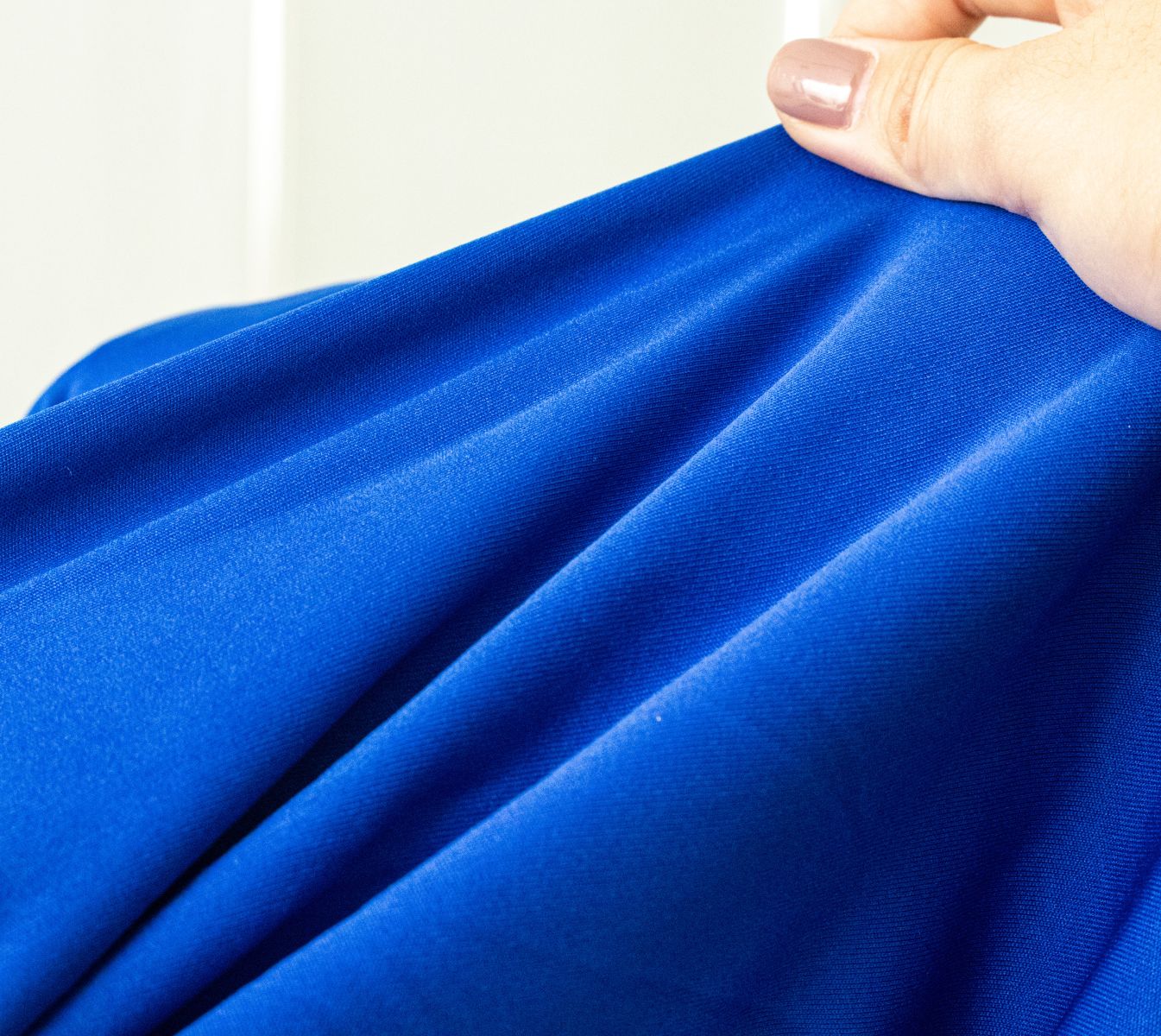
This fabric offers excellent thickness, wrinkle resistance, and shape retention, making it ideal for:
- Premium Polo shirts
- Tennis skirts
- Lightweight hoodies
- Athleisure fashion
2. Cold Spandex Fabric – Cooling Effect and Four-Way Stretch
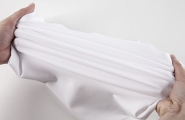
Unlike Interlock, cold spandex fabric has a slightly glossy surface and delivers an instant cooling sensation when touched.
The fabric usually contains a high percentage of Spandex fibres (typically between 5%–10%), providing exceptional four-way stretch performance.
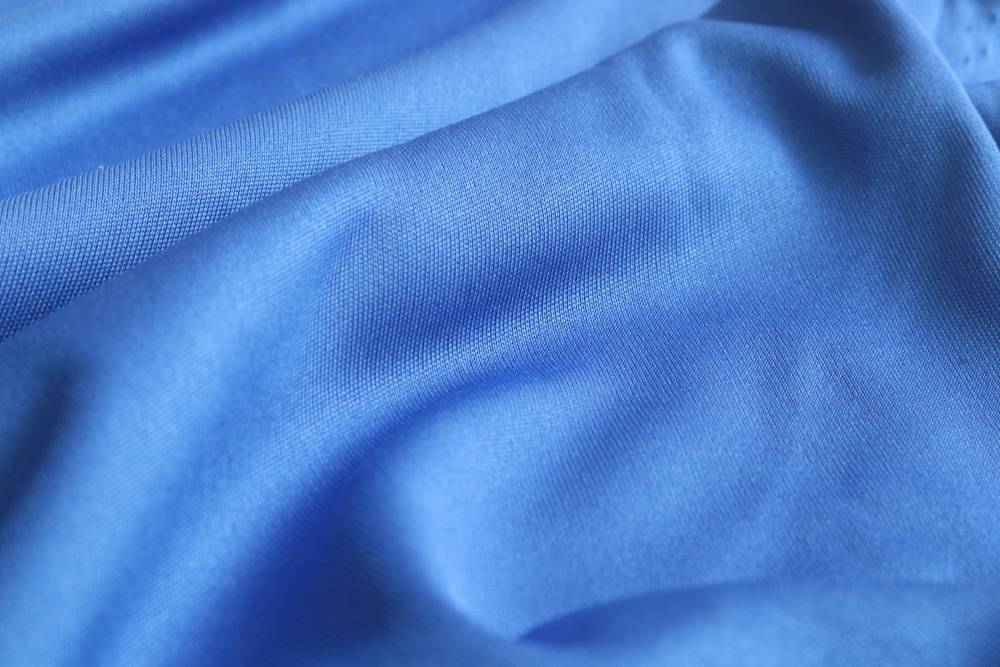
When stretched, the fabric quickly recovers without leaving stress marks or deformation. This is the perfect material for:
- Gym wear
- Yoga clothing
- Swimwear
- UV-protection jackets
Its breathable structure and cooling properties make it one of the most popular choices for activewear brands.
3. Birdseye Mesh Fabric – Intelligent Breathability Technology
Birdseye mesh fabric is one of the easiest knit fabrics to identify visually. Instead of a flat surface, the fabric contains thousands of tiny perforated holes resembling sesame seeds or bird eyes.
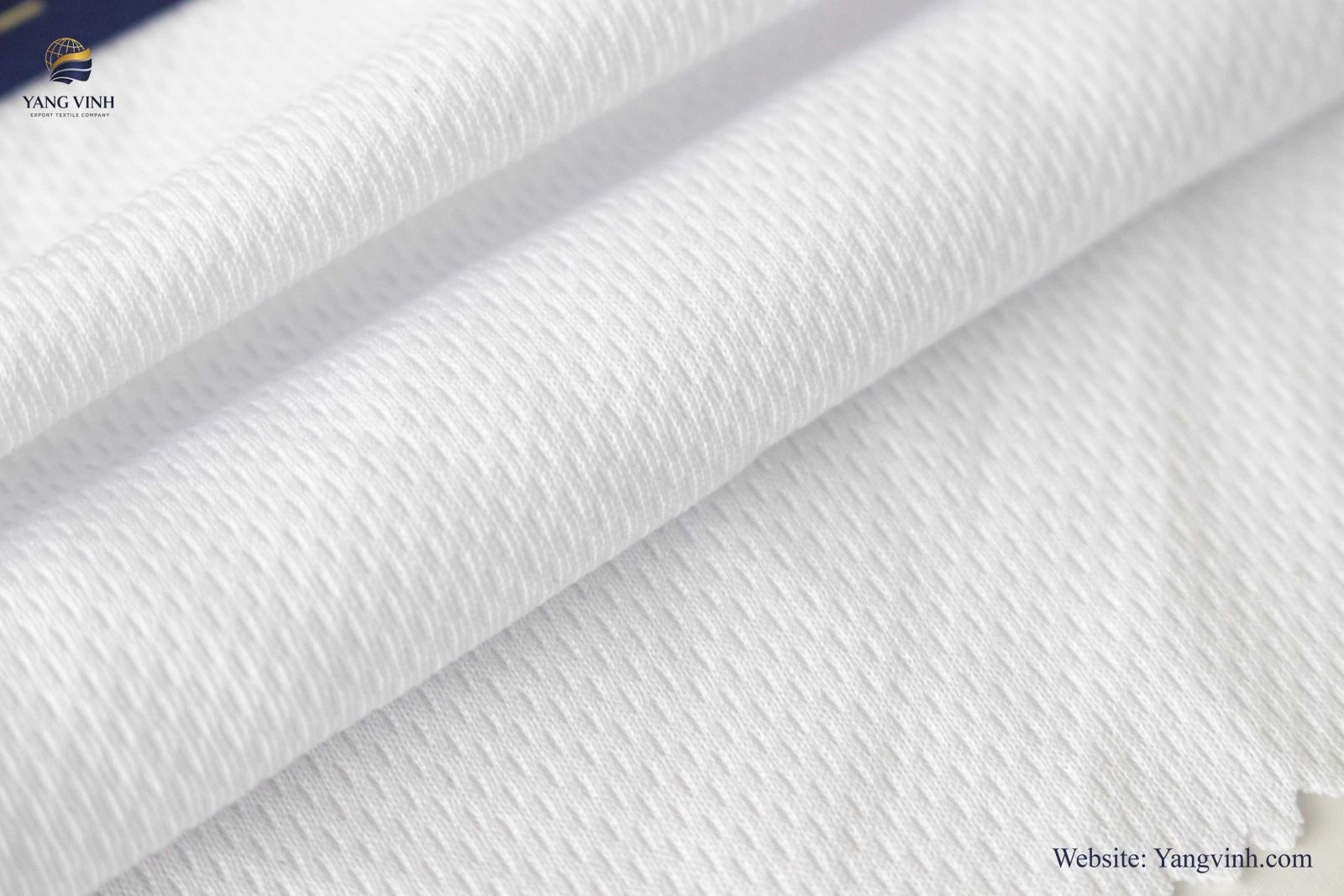
This unique knit structure creates:
- Ultra-lightweight fabric
- Rapid moisture evaporation
- Superior airflow circulation
With an average weight of only 130 GSM – 140 GSM, birdseye mesh is widely used for:
- Marathon running shirts
- Football jerseys
- Summer event T-shirts
This fabric is especially suitable for hot and humid climates.
4. Poly Lacoste Fabric – Strong Texture and Structured Appearance
While jersey fabrics provide softness, Poly Lacoste fabric delivers a stronger and more masculine appearance.
The fabric surface is knitted into raised geometric patterns, such as:
- Honeycomb textures
- Diamond structures
- Oval mesh patterns
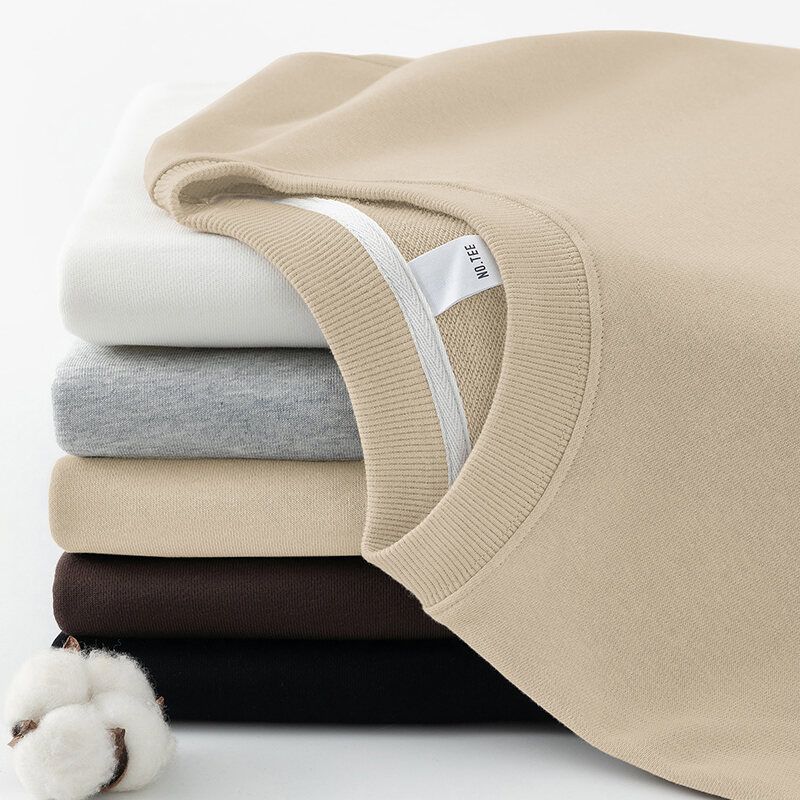
Produced from durable polyester filament yarns, Poly Lacoste fabric offers:
- Excellent wrinkle resistance
- Outstanding shape retention
- High durability
- Minimal surface fuzzing
This makes it the top choice for:
- Polo shirts
- Corporate uniforms
- Premium office apparel
|
Knit Fabric Type |
Visual Characteristics |
Hand Feel |
Common GSM Range |
Best Applications |
|
Interlock Fabric |
Both sides appear identical and smooth |
Dense, firm, structured |
160–180 GSM |
Premium Polo shirts, sports dresses, Athleisure |
|
Cold Spandex Fabric |
Slightly glossy and flat surface |
Cool-touch, highly elastic |
150–160 GSM |
Gym wear, Yoga apparel, Swimwear |
|
Birdseye Mesh Fabric |
Tiny breathable perforations |
Lightweight and airy |
130–140 GSM |
Marathon shirts, football jerseys, event T-shirts |
|
Poly Lacoste Fabric |
Raised honeycomb texture |
Thick and structured |
220–240 GSM |
Polo uniforms, corporate apparel |
Choosing the right fabric is the foundation of every successful fashion product. As a young and innovative textile company, Yang Vinh positions itself not simply as a fabric supplier but as a strategic partner providing professional guidance to help brands select the most suitable fabric for their budget and market positioning.
At Yang Vinh’s Hoc Mon knit fabric factory, our experienced technical team supports Local Brands and garment workshops by:
- Explaining real-world fabric differences
- Analyzing fiber compositions
- Recommending optimal GSM specifications
- Providing free fabric swatch samples
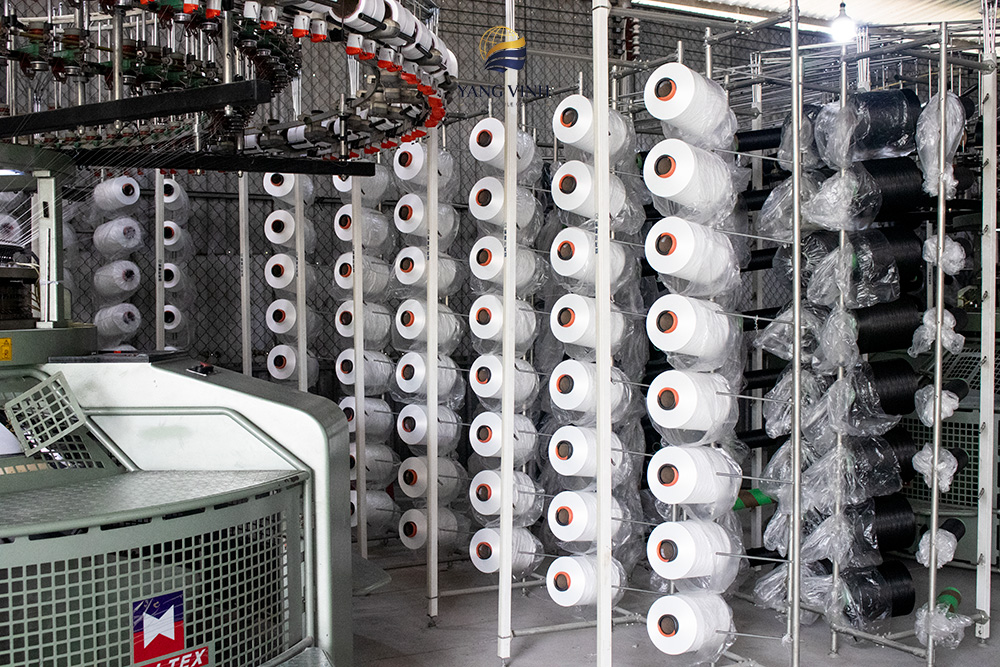
We understand that many startup brands struggle to define the correct fabric standards. That is why transparency, technical support, and flexibility are at the core of our service philosophy.
Free Fabric Consultation and Sampling Process at Yang VinhTo eliminate the risks of choosing unsuitable materials, Yang Vinh offers a simple and transparent support process:
- Step 1 – Consultation Registration
Contact us via Hotline or Website and share your garment concept, target customer segment, and intended product category.
- Step 2 – Receive Free Fabric Swatch Box
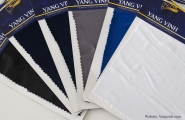
Yang Vinh provides complimentary fabric samples clearly labelled with:
- Fabric name
- Fiber composition
- GSM specification
This allows you to physically compare and distinguish different knit fabrics before ordering.
- Step 3 – Lab-Dip Color Testing
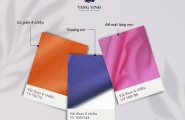
After selecting your preferred material, we produce custom color test swatches based on your Pantone references for approval.
- Step 4 – Mass Production and Delivery
Once approved, we begin large-scale knitting and dyeing production under strict quality control before delivering the finished fabric directly to your garment factory.
Master Fabric Knowledge and Elevate Your Fashion BrandUnderstanding how to distinguish different types of knit fabrics is one of the most powerful advantages for garment manufacturers and Local Brands. Proper fabric knowledge helps optimise production efficiency, reduce costly mistakes, and create products that truly match your design vision.
Let Yang Vinh — a modern, technology-driven textile manufacturer in Ho Chi Minh City — support your brand’s growth with transparency, expertise, and high-quality fabric solutions.
Contact Yang Vinh today to receive:
- Free fabric sample sets
- Professional technical consultation
- Competitive factory-direct wholesale pricing
- Customised textile solutions for your next collection