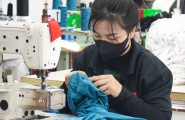
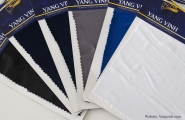
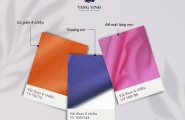
In the fashion industry, great designs alone are not enough to build a successful brand. Behind every bestselling collection is a well-organised supply chain, and at the heart of that supply chain is fabric sourcing.
Many fashion startups focus heavily on marketing and product development, but overlook the importance of securing a reliable fabric source. As a result, they often face production delays, inconsistent product quality, and rising manufacturing costs.
Whether you are launching a new clothing line or expanding an existing apparel business, understanding fabric sourcing can help create a stronger foundation for long-term growth.
Why Fabric Sourcing Matters
Fabric represents one of the largest cost components in garment manufacturing.
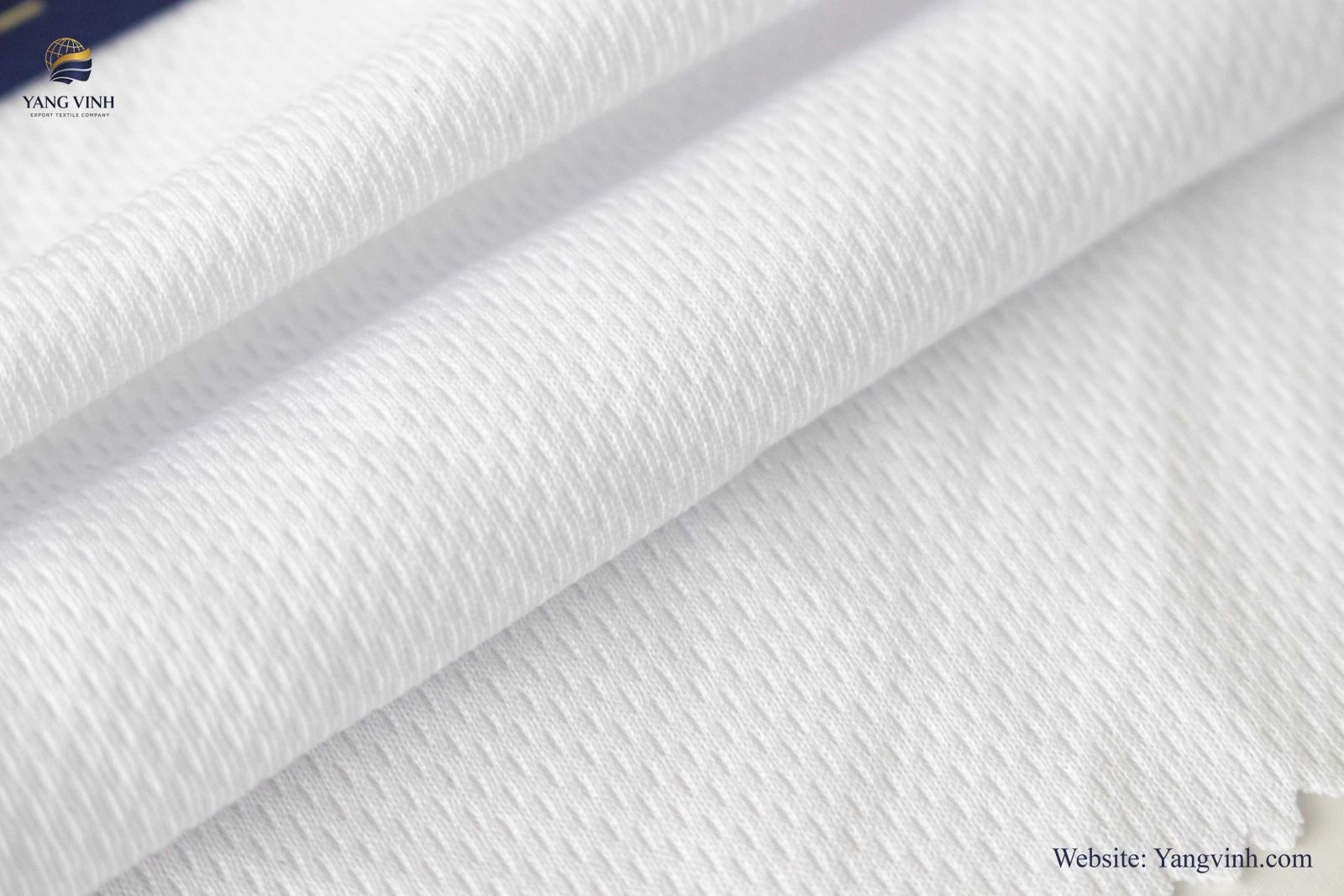
The choice of fabric supplier directly influences:
-
Product quality
-
Manufacturing costs
-
Delivery schedules
-
Customer satisfaction
-
Brand reputation
A strong sourcing strategy allows brands to maintain consistency while remaining competitive in an increasingly crowded market.
Common Challenges Fashion Brands Face
1. Inconsistent Fabric Quality
One of the most common problems in apparel manufacturing is receiving different fabric quality between production batches.
This may lead to:
-
Color variations
-
Different fabric weights
-
Uneven texture
-
Shrinkage issues
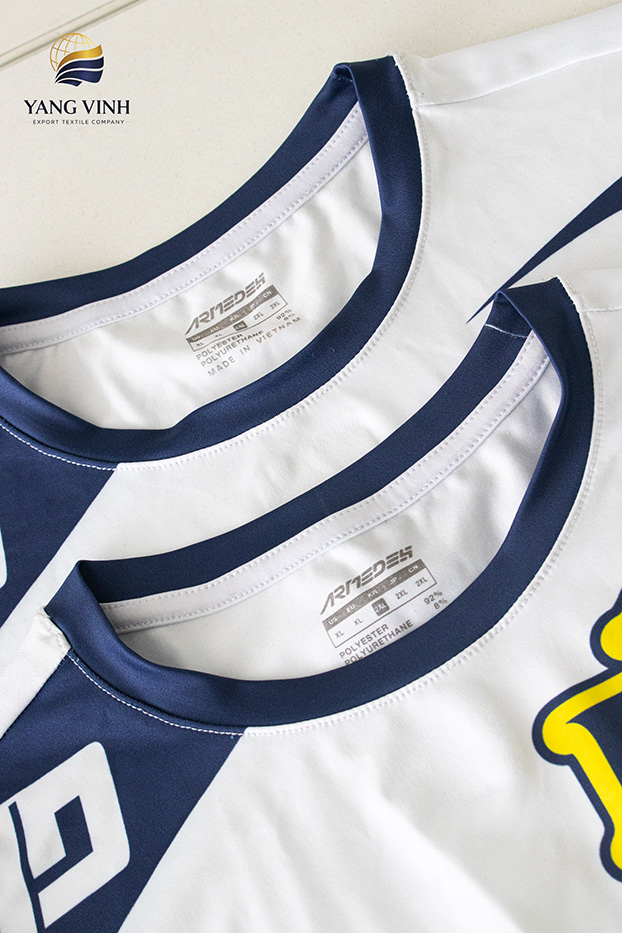
Such inconsistencies can damage customer trust and increase return rates.
2. Long Lead Times
Delayed fabric deliveries often result in:
-
Missed product launches
-
Production bottlenecks
-
Inventory shortages
-
Lost sales opportunities
In fast-moving fashion markets, timing can be as important as product quality.
3. High Inventory Costs
Many brands purchase excessive amounts of fabric to avoid shortages.
While this may seem like a safe strategy, it often creates:
-
Cash flow pressure
-
Warehouse costs
-
Obsolete inventory
-
Material waste
The Benefits of Strategic Fabric Sourcing
1. Better Cost Control
Working directly with textile manufacturers can reduce sourcing expenses by eliminating multiple layers of intermediaries.
Benefits include:
-
More competitive pricing
-
Transparent cost structures
-
Better negotiation opportunities
-
Lower long-term production costs
2. Improved Product Consistency
A reliable supplier maintains strict quality standards across all production batches.
This helps ensure:
-
Consistent customer experience
-
Stronger brand identity
-
Reduced product defects
-
Higher customer retention
3. Faster Production Planning
When brands establish long-term relationships with suppliers, production scheduling becomes more predictable.
Reliable sourcing allows businesses to:
-
Forecast demand more accurately
-
Plan collections efficiently
-
Reduce emergency purchasing
How to Build an Effective Fabric Sourcing Strategy
1. Understand Your Product Requirements
Before contacting suppliers, clearly define:
-
Target market
-
Product category
-
Fabric performance requirements
-
Expected retail price range
Understanding these factors helps narrow sourcing options and avoid costly mistakes.
2. Request Fabric Samples
Never place large orders without reviewing samples.
Evaluate:
-
Fabric hand feel
-
Stretch performance
-
Weight and thickness
-
Color consistency
-
Durability
Testing samples helps ensure the fabric aligns with your product vision.
3. Compare Multiple Suppliers
Avoid relying on a single supplier during the selection phase.
Compare:
-
Pricing
-
Quality
-
Lead times
-
MOQ requirements
-
Technical support
A thorough evaluation process reduces sourcing risks.
4. Develop Long-Term Partnerships
Successful brands rarely switch suppliers frequently.
Long-term relationships often provide:
-
Better pricing
-
Priority production schedules
-
Faster problem resolution
-
Greater flexibility
Partnerships create stability throughout the supply chain.
The Role of Technology in Modern Fabric Sourcing
Today's textile industry increasingly relies on technology to improve sourcing efficiency.

Advanced systems help manufacturers:
-
Monitor production quality
-
Track inventory levels
-
Improve color consistency
-
Reduce production waste
Brands that work with technologically advanced suppliers often benefit from greater reliability and transparency.
Sustainability and Fabric Sourcing
Consumers are becoming more conscious about sustainability.
As a result, many brands now consider:
-
Responsible manufacturing practices
-
Resource-efficient production
-
Waste reduction initiatives
-
Environmentally friendly materials
A sourcing strategy that incorporates sustainability can strengthen brand value and appeal to modern consumers.
Key Questions to Ask a Fabric Supplier
Before establishing a partnership, consider asking:
-
What is your average lead time?
-
Can you provide fabric testing reports?
-
What are your MOQ requirements?
-
How do you ensure color consistency?
-
What quality control procedures are in place?
-
Can you support custom fabric development?
-
How do you handle urgent orders?
The answers can reveal whether a supplier is capable of supporting your business goals.
Future Trends in Fabric Sourcing
The apparel industry continues to evolve rapidly.
Future sourcing strategies are expected to focus on:
-
Faster production cycles
-
Lower inventory levels
-
Greater supply chain flexibility
-
Data-driven demand forecasting
-
Sustainable manufacturing practices
Fashion brands that adapt to these trends will be better positioned for long-term success.
Conclusion
Effective fabric sourcing is far more than purchasing materials. It is a strategic process that directly impacts product quality, operational efficiency, customer satisfaction, and profitability.
By developing strong supplier relationships, implementing smart sourcing strategies, and building a reliable apparel supply chain, fashion brands can create a competitive advantage that supports sustainable growth.
For businesses aiming to scale their operations, investing in professional fabric sourcing is one of the most valuable decisions they can make.