In today's challenging economic environment and increasingly competitive fashion market, garment manufacturers and Vietnamese Local Brands are facing a major concern: raw material prices, labour expenses, and logistics costs continue to rise while product selling prices remain difficult to increase. As profit margins become tighter, optimising garment factory costs has become a critical factor for long-term business survival.
Cost optimisation does not mean sacrificing quality by purchasing low-grade materials or cutting essential processes. True optimisation comes from smart management, waste reduction, operational efficiency, and building a flexible supply chain. Let Yang Vinh—a dynamic next-generation textile partner—explore five core strategies that can help your business maintain growth while maximising profitability.
1. Apply Smart Inventory Management to Improve Cash FlowMore than 60% of a garment factory's working capital is often tied up in raw material inventory. Excessive fabric stocking due to fear of shortages or purchasing large quantities solely for discounts can create cash flow pressure and increase risks associated with fabric deterioration or changing market trends.
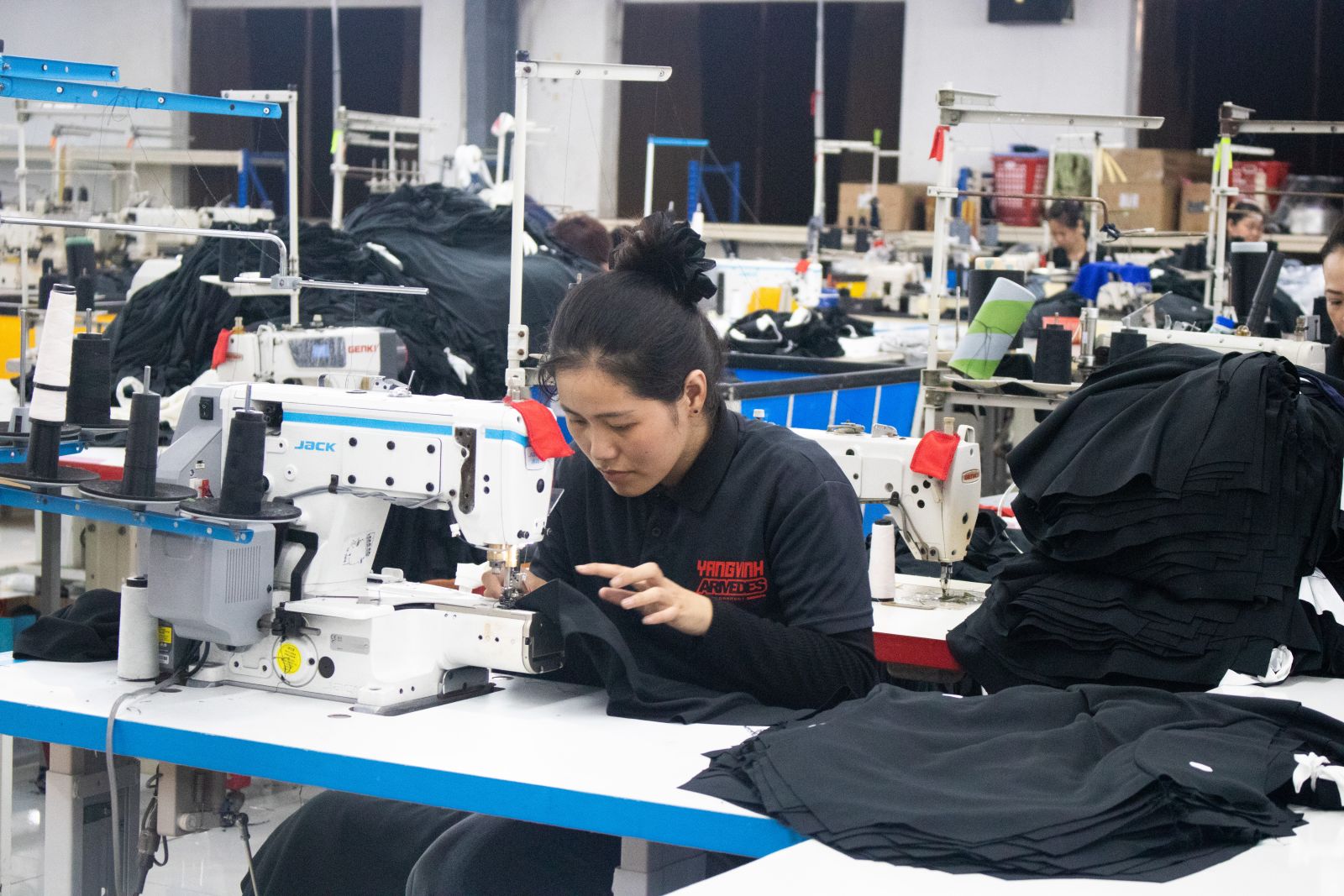
To solve this challenge, procurement teams should implement inventory optimisation models. One of the most effective methods is calculating the Reorder Point (ROP):
|
ROP = (D × LT) + SS |
Where:
-
D = Average daily fabric consumption
-
LT (Lead Time) = Time required from fabric ordering to delivery
-
SS (Safety Stock) = Emergency backup inventory
By partnering with flexible suppliers that offer fast delivery, businesses can significantly reduce lead time, lowering inventory investment while maintaining uninterrupted production.
2. Control Fabric Consumption Through Efficient Marker PlanningMarker making and fabric cutting account for approximately 70% of raw material costs in garment manufacturing. Poor marker planning can result in fabric wastage ranging from 5% to 10% per cutting table.
.png)
-
Recommended Solution
Implement specialised CAD software such as Gerber, Lectra, and Optitex
These systems automatically optimise pattern placement, maximising fabric utilisation rates to over 85%.
-
Technical Consideration
Before bulk cutting begins, fabric shrinkage testing should be conducted on every fabric lot. Pattern allowances can then be adjusted accordingly to prevent size inconsistencies and garment deformation after washing.
3. Purchase Directly from Textile Mills Instead of MiddlemenMany small and medium-sized garment factories continue to source fabrics through wholesale markets or trading companies. While convenient, this approach often increases material costs by 15%–25% due to intermediary commissions.
|
Comparison Criteria |
Wholesale Agents / Markets |
Direct Partnership with Yang Vinh |
|
Material Cost |
Higher due to trading margins |
Factory-direct wholesale pricing |
|
Color Consistency |
Risk of batch-to-batch variation |
Pantone-controlled dyeing process |
|
Technical Support |
Limited and slow |
Immediate support and warranty |
|
Product Customization |
Limited to available stock |
Customised GSM, width, and composition |
Building direct relationships with textile manufacturers allows garment businesses to gain better control over quality, pricing, and supply chain stability.
4. Implement Just-in-Time Production Planning for Local BrandsModern Local Brands are moving away from producing thousands of units per design before market validation. Consumer preferences evolve rapidly, creating significant risks of unsold inventory.
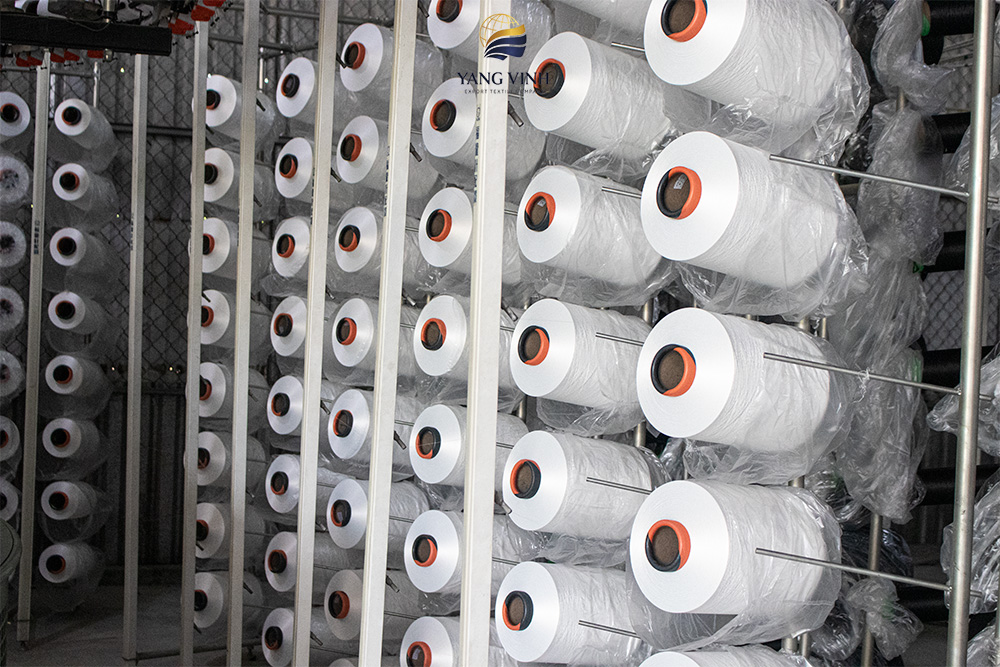
A more effective approach is to adopt a Just-in-Time (JIT) production strategy.
-
Phase 1: Mini-Batch Production
Produce a small quantity to: Create marketing content
Test customer demand
Measure performance on TikTok Shop, Shopee, and social media channels
-
Phase 2: Scale Based on Demand
When strong sales signals appear, immediately trigger larger reorders to capitalise on market momentum.
This model requires highly responsive fabric suppliers capable of supporting flexible Minimum Order Quantities (MOQ) and fast turnaround times.
5. Reduce Logistics Costs Through Strategic Supplier LocationTransportation expenses may appear small individually, but can become a substantial annual cost when accumulated across multiple orders.
Choosing suppliers located far from production facilities can also increase delivery delays and scheduling risks.
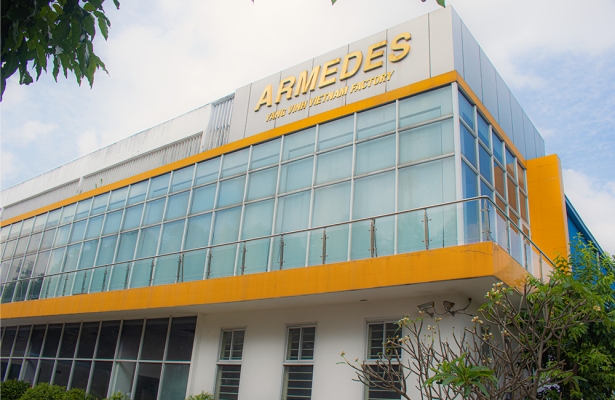
Located in one of Ho Chi Minh City's key industrial zones, Yang Vinh's Hoc Mon knit fabric factory serves as an ideal supply chain partner for garment manufacturers across Southern Vietnam.
Our strategic location provides:
-
Faster deliveries to District 12, Tan Binh, and Go Vap
-
Convenient transportation to Binh Duong, Long An, and Tay Ninh
-
Reduced freight costs
-
Shorter lead times
Innovation, flexibility, and a deep understanding of customers' business challenges define Yang Vinh's approach.
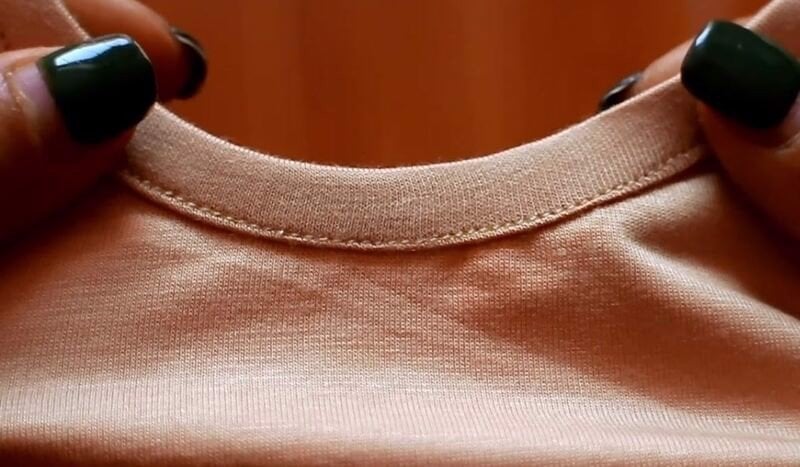
Unlike traditional factories with rigid production systems, Yang Vinh focuses on helping customers improve garment inventory management and achieve greater operational efficiency through practical solutions.
-
Flexible MOQ Policy
We support emerging fashion brands and small production runs, reducing financial pressure and inventory risks.
-
Fast Lab-Dip Development
Color approval samples are completed quickly, allowing your production schedule to move forward without unnecessary delays.
-
Free Technical Fabric Consultation
Our specialists analyse your garment patterns and recommend the most suitable fabric widths and specifications to minimise cutting waste and maximise efficiency.
Four-Step Process for Fabric Supply Chain Optimisation at Yang Vinh
To help businesses improve production cost structures, Yang Vinh offers a streamlined collaboration process:
-
Step 1 – Pattern and Consumption Analysis
Share your product sketches or pattern layouts, and our team will recommend the most efficient fabric specifications and GSM.
-
Step 2 – Receive Complimentary Fabric Samples
We provide free hand-feel fabric samples for shrinkage testing, fitting evaluation, and quality assessment before production begins.
-
Step 3 – Develop a JIT Supply Plan
Together, we establish phased delivery schedules aligned with your collection launches and inventory strategy.
-
Step 4 – Production and Fast Delivery
Fabric is knitted, dyed, inspected using advanced quality control systems, and delivered directly to your factory on schedule.
Optimise Your Supply Chain and Unlock Sustainable GrowthIn the long-term fashion industry race, success belongs not only to brands with the best designs but also to those with the most efficient supply chains.
By implementing effective strategies for optimising garment factory costs, managing fabric inventory intelligently, and partnering with a responsive manufacturer like Yang Vinh, your business can strengthen profitability, improve operational performance, and achieve sustainable growth.
Let Yang Vinh's youthful energy, innovative mindset, and textile expertise support your next stage of expansion. Contact us today for a free supply chain consultation, complimentary fabric samples, and exclusive factory-direct wholesale pricing.