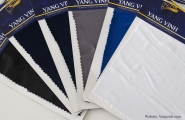
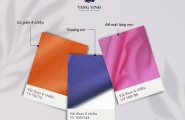
For entrepreneurs entering the fashion industry—especially those launching a new local brand—one of the most common terms they encounter when working with manufacturers is MOQ. However, many founders still do not fully understand what MOQ means, why factories implement MOQ requirements, and how to determine the right production quantity to minimise inventory risks while maximising profitability.
.jpg)
In this article, we will explore what MOQ is in the garment industry and discuss practical strategies for placing production orders efficiently as a growing fashion brand.
What Is MOQ?
MOQ stands for Minimum Order Quantity, which refers to the minimum number of units a manufacturer requires for a production order.
In the garment industry, MOQ can be applied in several ways:
- MOQ based on total product quantity
- MOQ per color
- MOQ per size range
- MOQ based on fabric or material type
Example
A garment factory sets an MOQ of 300 T-shirts for a specific design. This means the brand must order at least 300 pieces before production can begin.
Why Do Garment Factories Require MOQ?
Many emerging brands wonder why factories cannot accept extremely small orders. In reality, MOQ helps manufacturers maintain operational efficiency and control production costs.
1. Production Setup Costs
Before mass production begins, a factory must complete several preparation stages:
- Pattern making
- Sample development
- Material sourcing
- Machine setup
- Quality control preparation
These costs remain relatively similar whether the order consists of 50 pieces or 500 pieces.
.jpg)
2. Material Cost Optimisation
Larger production quantities allow factories to purchase:
- Fabrics
- Sewing threads
- Labels and tags
- Packaging materials
at better wholesale prices, reducing the overall manufacturing cost per unit.
3. Improved Production Efficiency
Production lines operate most efficiently when running continuously at a sufficient volume. Small orders often reduce productivity and increase operational costs.
Common MOQ Levels in the Garment Industry
MOQ requirements vary depending on the factory's scale and the type of product being produced.
|
Product Category |
Typical MOQ |
|
Basic T-Shirts |
100–300 pieces |
|
Polo Shirts |
200–500 pieces |
|
Hoodies |
200–500 pieces |
|
Corporate Uniforms |
50–300 pieces |
|
Premium Local Brands |
100–500 pieces |
|
Custom Fabric Dyeing |
300–1,000 kg of fabric |
New local fashion brands should prioritise working with manufacturers that offer flexible MOQ policies to reduce initial investment pressure.
Common Mistakes When Ordering Based on MOQ
1. Ordering Too Much Inventory Too Early
This is one of the most common mistakes among startup fashion brands.
Many founders believe that producing a larger quantity will lower the unit cost. While this may be true, unsold inventory can quickly become a major financial burden if the product fails to gain market traction.
2. Choosing Low MOQ with Excessively High Unit Costs
A lower MOQ reduces inventory risk but often results in a higher production cost per unit.
Brands must balance:
- Available budget
- Risk tolerance
- Sales strategy
- Expected profit margins
3. Ignoring Sales Velocity
Production quantity should always be based on:
- Target audience size
- Marketing budget
- Expected sales performance
- Market demand forecasts
Ordering products without a clear sales plan often leads to excessive inventory and cash flow problems.
How to Optimise Production Orders for New Local Brands
Step 1: Validate Market Demand
Before placing a large production order, brands should:
- Conduct customer surveys
- Showcase product concepts on social media
- Run test advertisements
- Collect pre-orders
These activities provide valuable insights into actual market demand.
Step 2: Start with a Mini-Batch Strategy
Instead of producing 1,000 units immediately, begin with:
- 100–200 pieces
- 2–3 core colourways
- The most popular sizes
This strategy significantly reduces risk while allowing real-world market testing.
Step 3: Use Available Materials
For an initial collection, prioritise:
- In-stock fabrics
- Popular colors
- Easily sourced trims and accessories
This can substantially lower MOQ requirements compared to developing custom-dyed fabrics or specialised materials.
Step 4: Partner with a Flexible Manufacturer
A production partner that understands startup brands can help:
- Reduce financial pressure
- Minimise inventory risks
- Accelerate product launches
- Improve overall production planning
Choosing the right manufacturing partner is often one of the most important decisions for a new fashion business.
How to Reduce Inventory Risk
To maximise operational efficiency, local brands should combine several strategies:
- Produce in smaller batches
- Analyse sales data regularly
- Reorder quickly when products perform well
- Avoid launching too many designs simultaneously
This approach is commonly known as Agile Production, a manufacturing model increasingly adopted by modern fashion brands worldwide.
The Role of Manufacturing Partners in MOQ Optimisation
A professional manufacturing partner does much more than simply produce garments.
An experienced factory can assist with:
- Material consumption planning
- Production scheduling
- Cost optimization
- MOQ recommendations tailored to each growth stage
For new local brands, choosing the right production partner can save thousands of dollars in startup costs while significantly reducing inventory-related risks.
Conclusion
Understanding what MOQ is is one of the first steps toward building an efficient and sustainable production strategy. MOQ should not be viewed as a barrier; rather, it is a tool that balances the needs of both manufacturers and fashion brands.
For startups and emerging local brands, the most effective approach is to begin with moderate production quantities, validate market demand, and gradually scale production based on actual sales performance. Combined with a flexible and experienced manufacturing partner, this strategy can help optimise costs, reduce inventory risks, and support long-term brand growth.
If you are planning to launch a new fashion collection, partnering with a manufacturer that offers flexible MOQ policies and professional production consulting can make all the difference in building a successful and sustainable fashion brand.